Concrete Slabs & Flatwork
Solid, level concrete slabs for sheds, garages, equipment pads, and more.
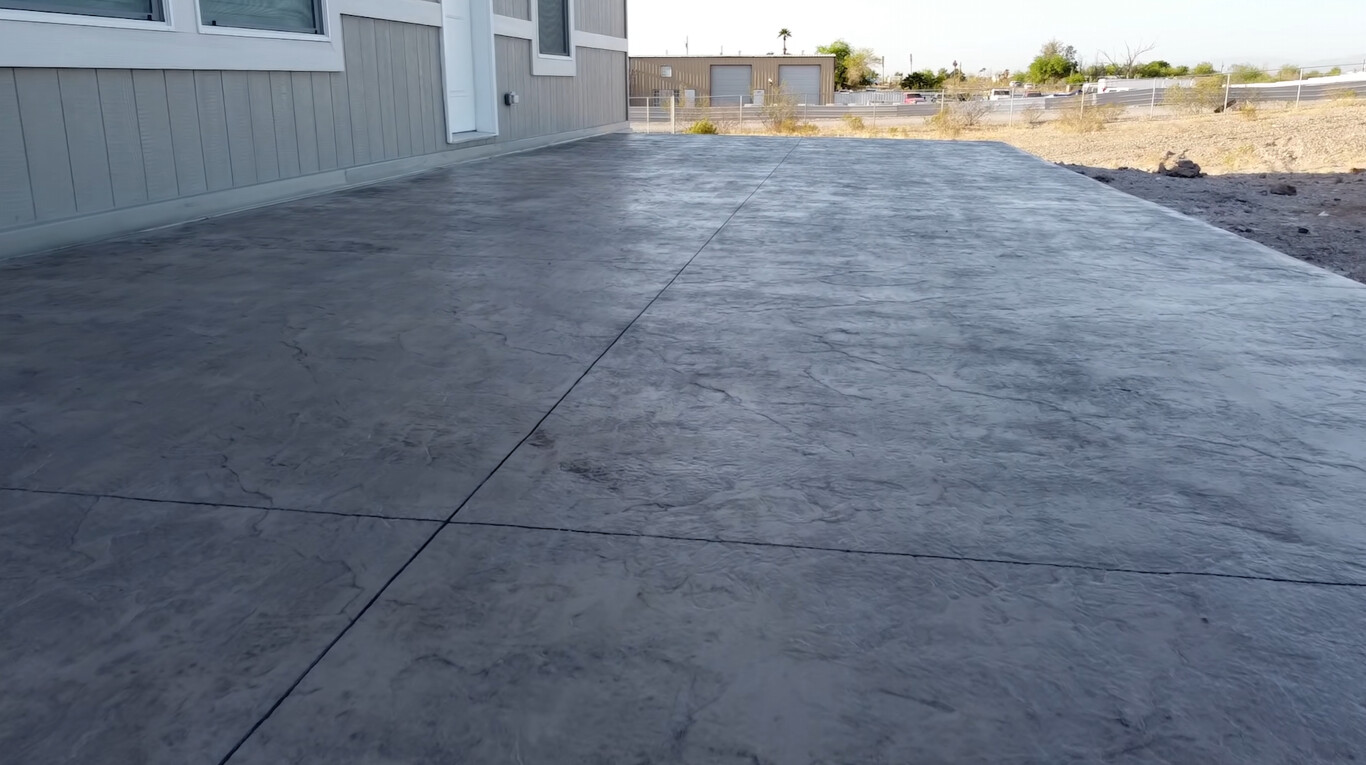
When you need a solid, level surface for a shed, workshop, HVAC unit, or any other structure, a properly installed concrete slab is your best foundation. The right slab stays level, drains properly, and supports whatever you place on it without settling or cracking.
Concrete flatwork might sound simple, but there's a big difference between a slab that lasts and one that fails. Here in Apopka, our clay soil and heavy rains mean you can't just pour concrete on the ground and hope for the best. You need proper site preparation, adequate thickness, and correct reinforcement. That's what we provide with every concrete slab we install.
Common Concrete Slab Applications
We install concrete slabs for all kinds of residential and commercial uses. Whether you need a small equipment pad or a large garage floor, working with experienced concrete pad contractors makes the difference between a surface that holds up and one that cracks within a few years. Here are the most common projects we handle.
- •Shed and storage building foundations: Prevents floor rot and keeps your shed level and stable
- •Garage and workshop floors: Durable surface that handles heavy equipment and vehicle weight
- •Equipment pads: For HVAC units, generators, hot tubs, or pool equipment
- •RV and boat parking pads: Heavy-duty slabs designed to support recreational vehicles
- •Utility and work areas: Trash enclosures, dog runs, or outdoor workspace areas
What Makes a Quality Slab
A concrete slab is only as good as what's underneath it. Let's talk about the key elements that separate quality work from slabs that fail early.
Site Preparation
We start by excavating the area and removing any organic material that could decompose and cause settling. The subgrade is then compacted to create a solid base. A layer of gravel provides drainage and further stability. This foundation work takes time, but it's what prevents your slab from sinking or developing cracks.
Proper Thickness and Reinforcement
Standard slabs are typically 4 inches thick, but we'll go thicker if needed for heavy loads. Welded wire mesh or rebar reinforcement adds strength and helps control cracking. For slabs that will support buildings or heavy equipment, we use additional reinforcement to handle the extra weight. Using the right thickness and reinforcement from the start costs less than trying to fix problems later.
Drainage and Slope
Even a "flat" slab needs slight slope to shed water. We create the right grade so rain and wash water flows away from buildings and doesn't pool on the surface. This simple step prevents water damage and keeps your slab functional in all weather. It's especially important for garage floors and equipment pads where standing water can cause problems.
Slabs vs. Foundations
A basic slab sits on the ground and is perfect for sheds, patios, and equipment. A foundation includes footings that extend below the frost line and are required for permanent structures like homes and large buildings. Most residential projects like storage sheds, detached garages, or outdoor living spaces work great with a properly built slab. We'll help you determine which type you need based on your project and local building codes.
Need a Concrete Slab?
Tell us about your project and we'll provide a detailed quote. We handle everything from site prep to final finish.