Retaining Walls & Concrete Masonry
Engineered retaining walls that manage slopes and add usable space to your property.
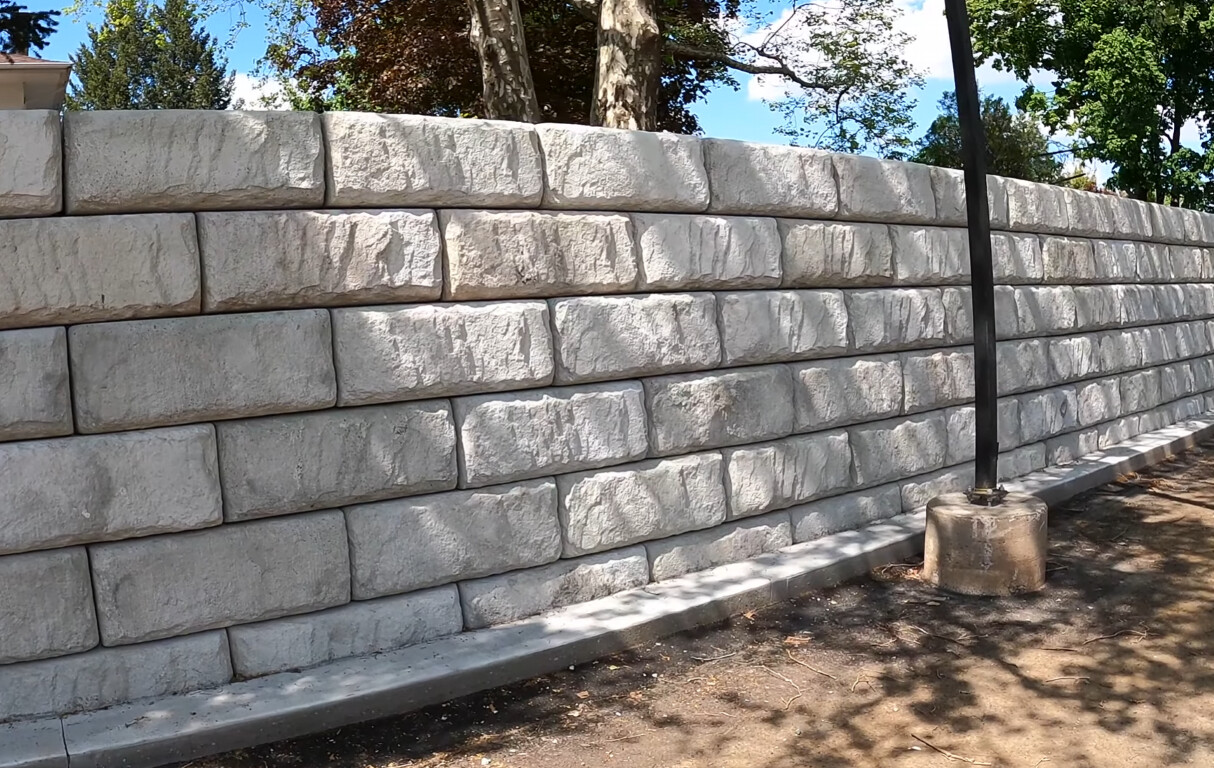
Retaining walls do more than just hold back soil. They create level areas for landscaping, prevent erosion, manage water drainage, and add functional outdoor space to sloped properties. But only when they're properly engineered and built to handle the forces working against them.
A failing retaining wall leans, cracks, or collapses because it wasn't designed to handle the weight and pressure of the soil behind it. We build retaining walls that are engineered for your specific site conditions, properly reinforced, and equipped with drainage systems that prevent water pressure buildup. Our walls in Apopka are built to last through Florida's heavy rains and soil movement.
Types of Retaining Walls We Build
We construct several types of retaining walls depending on your needs, site conditions, and aesthetic preferences.
- •Poured concrete walls: Strong, monolithic walls perfect for tall retaining structures and steep slopes
- •Concrete block walls: Versatile and economical, using reinforced concrete masonry units (CMU)
- •Segmental retaining walls: Interlocking block systems that create natural-looking curved walls
- •Decorative stone masonry: Custom walls using natural stone or decorative block for enhanced curb appeal
- •Terraced wall systems: Multiple shorter walls that step down slopes for better stability
Engineering and Design Considerations
Retaining walls are structural elements that must be designed to handle significant forces. Here's what goes into building a wall that lasts.
Foundation and Base Preparation
Every retaining wall starts with a solid foundation. We excavate below the frost line and create a compacted gravel base that provides drainage and stability. The foundation must be sized appropriately for the wall height and soil pressure it will hold back. Cutting corners here leads to settling and failure down the road.
Drainage Systems
Water pressure behind a retaining wall is one of the main causes of failure. We install drainage pipes, weep holes, and gravel backfill to relieve water pressure and direct it away from the wall. This often invisible part of the system is critical to long-term performance, especially during Florida's rainy season.
Reinforcement and Structure
Depending on wall height and soil conditions, reinforcement may include steel rebar, geogrid fabric, tieback anchors, or other systems. Taller walls over 4 feet typically require engineering and permits. We work with structural engineers when needed to ensure your wall meets all safety requirements and building codes.
Common Uses for Retaining Walls
Retaining walls solve practical problems while improving your property's appearance and value. Create level areas for patios, gardens, or play spaces on sloped lots. Prevent soil erosion and protect landscaping from washing away during heavy rains. Define different levels in your yard and add visual interest to flat properties. Support driveways on hillsides or create parking areas on challenging terrain. Manage drainage and direct water flow away from your home's foundation.
Need a Retaining Wall?
Let's discuss your property's slope and drainage challenges. We'll design a wall that solves your problems and enhances your landscape.